Are you in search of top quality cigarettes at low prices? Kiwicigs.com offers a wide choice of premium cigarettes sold via Internet. We guarantee that all our products correspond to the high quality standards and are delivered in shortest terms to customer's door.
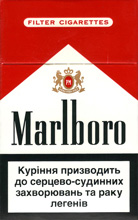
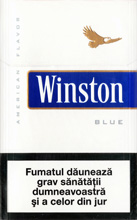
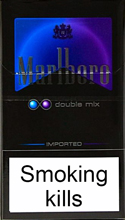
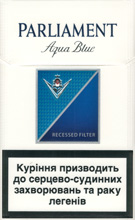
We offer a wide selection of such popular brands as Marlboro, Camel, Newport, Winston, Salem and Parliament cigarettes. If you prefer any other brands you will certainly find them at Kiwicigs.com.

- Fast and Discrete Delivery!
- Purchase reporting - NO!
All orders are processed and shipped from out of the US. Consequently all tax and customer information is strictly confidential and is not reported to any third parties.
Thank you so much. My e-mail account has been messed up and I appreciate your extra efforts with me not having the transaction id. BARNES, U.S.A.
You are very welcome and I too want to thank you for your honesty. I love dealing with your company and I plan to continue with ordering from you. Mahoney, U.S.A.
Thank you for your prompt attention and response to the matter. As usual, your customer service. Pete, U.S.A.
Great service! Cigarettes are always delivered on time, support service is very polite. Jennifer, U.S.A.
Good price, great service and product quality (always fresh!). Products are carefully and securely packed for shipping. Gray, U.S.A.
Most Popular and New Products
To order at KiwiCigs you must be at least 21 years old.
By placing an order with KiwiCigs you confirm that you are at least 21 years old and have legal right to buy and keep cigarettes online in your country of residence.
We distribute only Premium and Generic cigarettes from Europe trying to avoid any delivery problems. Therefore we ask our customers to sign upon the delivery of their parcels. In case anything unpredictable takes place we provide the full refund. You can easily reach our customer support team via phone or electronic mail and discuss all the details you are interested in.
The main characteristics of our online store are:
- Perfect quality products;
- Fast delivery terms;
- Cheap prices;
- Excellent support service.
The procedure of making an order at KiwiCigs.com is very simple. Just choose the brand you want to buy, click on it, then select the flavor and click the button 'add to cart'. The purchase is done! After that our customer support representative will process your order and get in touch with you as soon as possible. All information you share with us is strictly confidential. For more details please read our Privacy Policy.
We appreciate very much our customers' tastes and precious time. Therefore we do our best to provide the richest choice of quality cigarette brands at your disposal in combination with perfect customer service.
Welcome to KiwiCigs.com and you will never regret it!